Kenya’s private sector activity fell at the fastest pace in a year in July on weak orders, rising prices and disruption from protests, findings of a monthly survey showed.
The Stanbic Kenya Purchasing Managers Index (PMI)—a measure of monthly private sector activity such as new orders, prices, output, and employment—declined to 46.8 last month from 48.6 in June.
The reading, which is below 50.0, signals a decline in business activity compared to the previous month and marked the steepest drop in private sector activity since July 2024.
Kenyan firms reported reduced business activity with 38 per cent of the participants signaling a downturn over the month compared to 17 per cent that saw a rise.
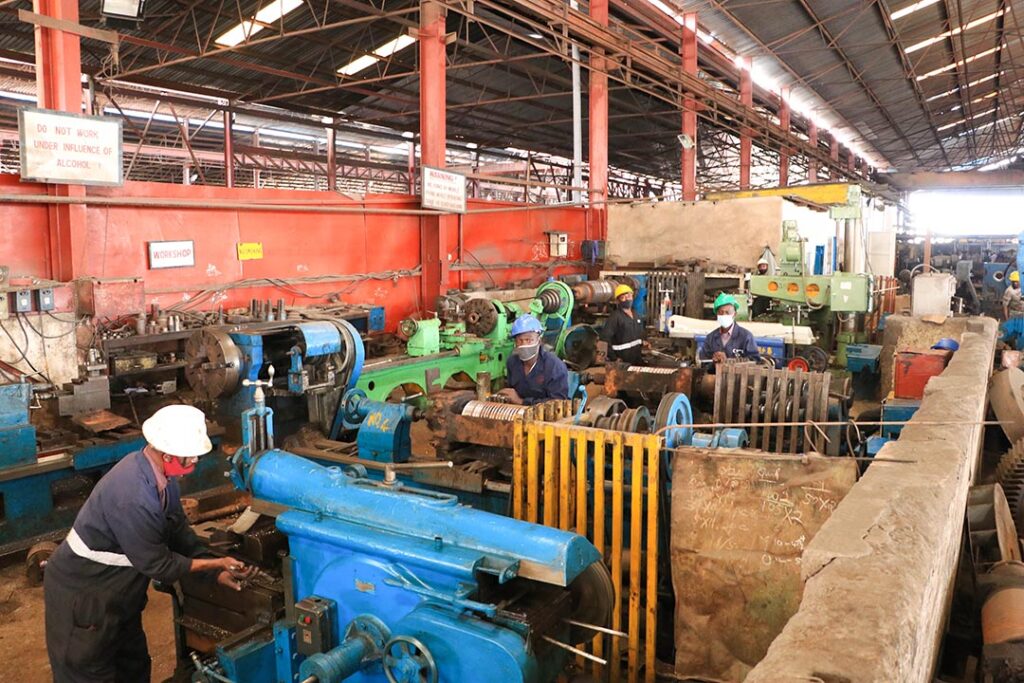
The decline was not broad-based and mainly affected manufacturing and service sectors with agriculture, construction, wholesale and retail sectors producing higher output.
"Overall, the private sector activity is mixed in the sense that certain sectors are doing well, while other sectors are struggling under the weight of weak consumer demand conditions," Christopher Legilisho, chief economist for South-African based Standard Bank said in the July PMI report.
"Pricing pressures increased due to a rise in fuel prices by the Energy and Petroleum Regulatory Authority (EPRA) in July. Firms also complained that higher taxes contributed to an increase in purchase and operating costs," said Mr Legilisho.
- Reduced output: Companies reduced output due to lower sales volumes, cash flow problems, protests and rising inflationary pressures.
- Decline in new orders: New orders fell at the sharpest rate in 12 months due to eroding customer purchasing power, rising prices and lower footfall due to protests.
- Decline in purchasing activity: Firms reduced their purchasing activity led by manufacturers, fastest pace in almost 3 years.
- Rising input costs: According to respondents, input costs rose in July due to increase in fuel prices and higher tax payments with several firms passing these cost increases to customers in the form of higher selling prices.
The month witnessed deadly saba saba demonstrations as Kenyan youth marched in several towns demanding for better governance.
400 purchasing managers participated in the survey.
38 per cent signalled a downturn while 17 per cent saw a rise in activity.
Source: Stanbic Bank Kenya Pmi Report - July 2025